Get Your Free Roofing Estimate Today
Planning Your Design and Material Selection
Before breaking ground on any outdoor structure, thoughtful planning ensures your investment performs well for decades. The design phase begins with evaluating your available space, understanding local building codes, and selecting materials that balance durability with budget. In Alabama’s humid climate, pressure-treated lumber remains a popular choice for framing, while composite decking offers low-maintenance surfaces that resist warping and fading under intense summer sun.
Layout decisions should account for how your family will use the space. Will you host large gatherings, or do you prefer a quiet retreat for morning coffee? Door placements, yard slopes, and existing landscaping all influence the final design. Many homeowners across Fultondale and nearby communities choose raised platforms that improve drainage during heavy spring rains, a practical consideration given our regional weather patterns.
Material selection directly impacts both upfront costs and long-term maintenance. Cedar and redwood provide natural beauty but require regular sealing, while synthetic options deliver consistent color without yearly treatments. Working with experienced professionals helps you weigh these trade-offs and select solutions that fit your lifestyle and property conditions.
Essential Tools and Safety Preparation
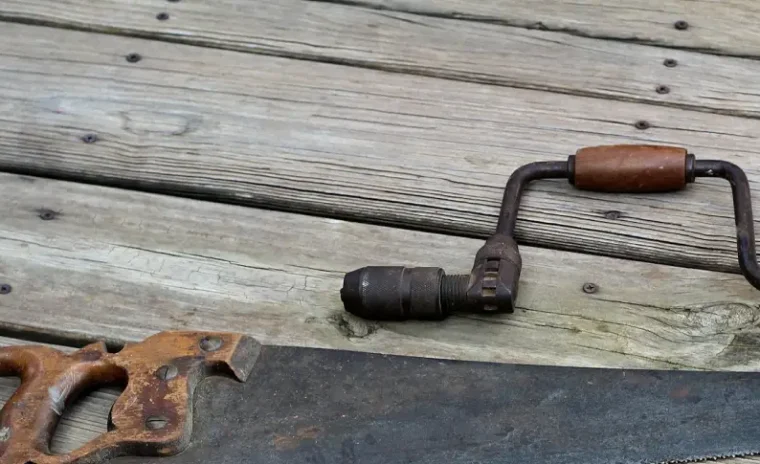
Quality construction starts with proper equipment and a commitment to safety protocols. A successful installation requires both hand tools and power equipment: circular saws, drills, levels, tape measures, framing squares, and post-hole diggers form the foundation of any builder’s toolkit. Investing in quality tools reduces errors and speeds up the process, though specialized equipment like concrete mixers or laser levels may warrant rental for single-project use.
Safety gear is non-negotiable on any job site. Eye protection, hearing protection, work gloves, and steel-toed boots protect against common construction hazards. When working at heights, fall protection equipment becomes essential, particularly during railing installation or elevated platform construction. Keeping a first aid kit accessible and maintaining clean work areas prevents accidents that delay projects and risk injury.
Before starting, verify that all electrical tools function properly and extension cords remain in good condition. Dull saw blades create dangerous kickback and produce rough cuts that compromise structural integrity. Taking time to organize materials, review plans, and confirm measurements before cutting saves both time and costly mistakes. Professional contractors bring not only experience but also reliable processes that prioritize safety alongside quality craftsmanship throughout every phase of construction.
Step-by-Step Construction Process
Construction follows a logical sequence that builds stability from the ground up. The process begins with site preparation and laying out precise post locations according to your design plans. Digging footings to proper depth prevents frost heave and settling, while concrete piers provide a solid foundation that supports the entire structure. In our area, footings typically extend at least 12 inches below grade to meet local requirements and ensure stability in variable soil conditions.
Once footings cure, builders install support posts, beams, and joists that form the structural skeleton. Proper joist spacing, usually 16 inches on center for residential applications, distributes weight evenly and prevents bouncing or sagging over time. Joist hangers, galvanized fasteners, and hurricane ties secure connections that withstand wind loads and daily use. Attention to detail during framing determines whether your finished platform remains level and stable for years or develops problems that require costly repairs.
After framing inspection and approval, decking boards go down in your chosen pattern, whether standard perpendicular layout or diagonal designs that add visual interest. Proper spacing between boards allows for drainage and seasonal expansion, while consistent fastener placement creates clean lines and professional appearance. Final steps include railing installation, stair construction, and applying protective finishes that enhance both beauty and weather resistance. Homeowners interested in seeing finished projects can explore our completed work to understand the quality standards professional installation delivers.
Maintenance and Long-Term Protection
Protecting your outdoor investment requires consistent maintenance that addresses both routine cleaning and seasonal upkeep. Natural wood surfaces benefit from annual inspections, power washing to remove dirt and mildew, and reapplication of sealants or stains that protect against moisture penetration and UV damage. Alabama’s humidity accelerates wood deterioration when protective coatings fail, making timely treatments essential for preserving structural integrity and appearance.
Composite materials require less intensive care but still demand attention. Regular sweeping prevents debris accumulation that traps moisture against surfaces, while occasional washing with mild soap removes stains and maintains color consistency. Check fasteners annually to ensure connections remain tight, and inspect joists and support beams for signs of rot, insect damage, or structural weakness. Catching small problems early prevents expensive repairs that result from neglected maintenance.
Proper drainage extends the life of any outdoor structure. Keep gutters clean to prevent water from pooling near posts and footings, and trim vegetation that blocks airflow beneath elevated platforms. During routine inspections, look for loose boards, protruding nails, or railing components that need tightening. Homeowners throughout Birmingham and surrounding communities who maintain regular upkeep schedules enjoy outdoor spaces that remain safe, beautiful, and functional for many years beyond the initial installation.
Professional Installation Advantages
While determined homeowners can tackle smaller projects, hiring experienced builders delivers advantages that extend far beyond convenience. Professional contractors bring code knowledge, permitting experience, and construction skills developed through hundreds of completed installations. They understand local soil conditions, weather challenges, and building requirements specific to Alabama communities, ensuring your project meets all regulations while incorporating best practices that prevent common failure points.
Time savings represent another significant benefit. What might take weekends or months for DIY enthusiasts becomes a streamlined process when handled by dedicated professionals equipped with proper tools, established supplier relationships, and trained crews. Quality workmanship reduces callbacks and repairs, while warranties protect your investment against defects or installation errors. Professional builders also carry liability insurance and workers’ compensation coverage, protecting homeowners from financial exposure if accidents occur during construction.
Since 2000, Shademakers Roofing and Construction, LLC has provided reliable construction services throughout Fultondale and nearby areas, applying proven methods and quality materials to every project. Our team understands the importance of honest pricing, clear communication, and workmanship that stands the test of time. Whether you’re planning a simple addition or a complex multi-level structure, working with experienced professionals ensures your outdoor space enhances both your home’s value and your family’s quality of life. Contact our team through our contact page to discuss your project and learn how professional installation delivers results you can trust for decades to come.